Over two years ago now, I signed up for the Bridge Builders program, with the simple goal of gaining knowledge and experience. With increased tensions all around the world concerning ongoing conflicts, I felt like I was doing myself a disservice with the lack of education I had on the Israeli-Palestinian war and on conflicts at large. Not only did the program exceed expectations, but it also strongly influenced my decision to study Politics and International Relations at university and encouraged me to continue seeking out similar opportunities.
In the time following the BBP program with exams and applying to the university, I felt I had lost my footing. I needed a reminder of what I wanted to do, so I decided to be as opportunistic as I was back in 2024, but this time applied for Model UN.
Model UN is a simulation of what it is to be a state representative in the United Nations. In participating, I had to fully fund the trip myself and complete a year-long online course that taught me all the rules, behaviours, and procedures for delegation conferences and at the UN itself. I represented the Belgian delegation, having never been to Belgium; my research on the concerns and priorities of the court had to be thorough, as I had to engage with negotiations between other states that would centre on our respective priorities.
The Bridge Builders Program, having taught me, through our negotiation workshops, that such skills are immensely important for peacebuilding, meant that during the simulation, I felt confident interacting with different delegations. Looking at how different state representatives went about their goals and concerns in real time was incredible. Even though we were simply engaging in a simulation, it was insightful to see how real delegates may go about negotiation, whether it be with strict goals and agendas in which they were certain they wouldn’t move for specific motions or with more freedom and leniency, where they would support motions that they believed only partially represented goals.
Aside from the three-day simulation conference itself, it was an incredible experience to tour NYC and observe the people and culture. It’s no surprise that the UK and the US are quite similar, but speaking to and interacting with American people was entirely different from how I imagined. Ironically enough, having been taught about discrimination and prejudice in the BBP program, I still struggled to see past my own bias towards American culture and people. I was confronted with this in real time; not only did I learn to evaluate and challenge these, but I also grew fond of a culture I had largely over-criticised.
One of the highlights of my trip was the speech given by Amina Mohamed, the deputy secretary general of the UN. Apart from the fact that I found out she was also a Nigerian British woman, which had already meant she was about to be my favourite speaker, her speech of encouragement to us as young people simply dreaming of making a difference in the grand scheme of things, more than motivated me. Being at university, it’s easy to become overwhelmed with such a dramatic change in education; you can begin to question what you want, and the difference you want to make can suddenly feel so small.
Programs like the BBP program and Model UN are gifts that provide opportunities to learn, to remind yourself of what you want and emphasise that the difference you chose to make, no matter how small, can be done and should be
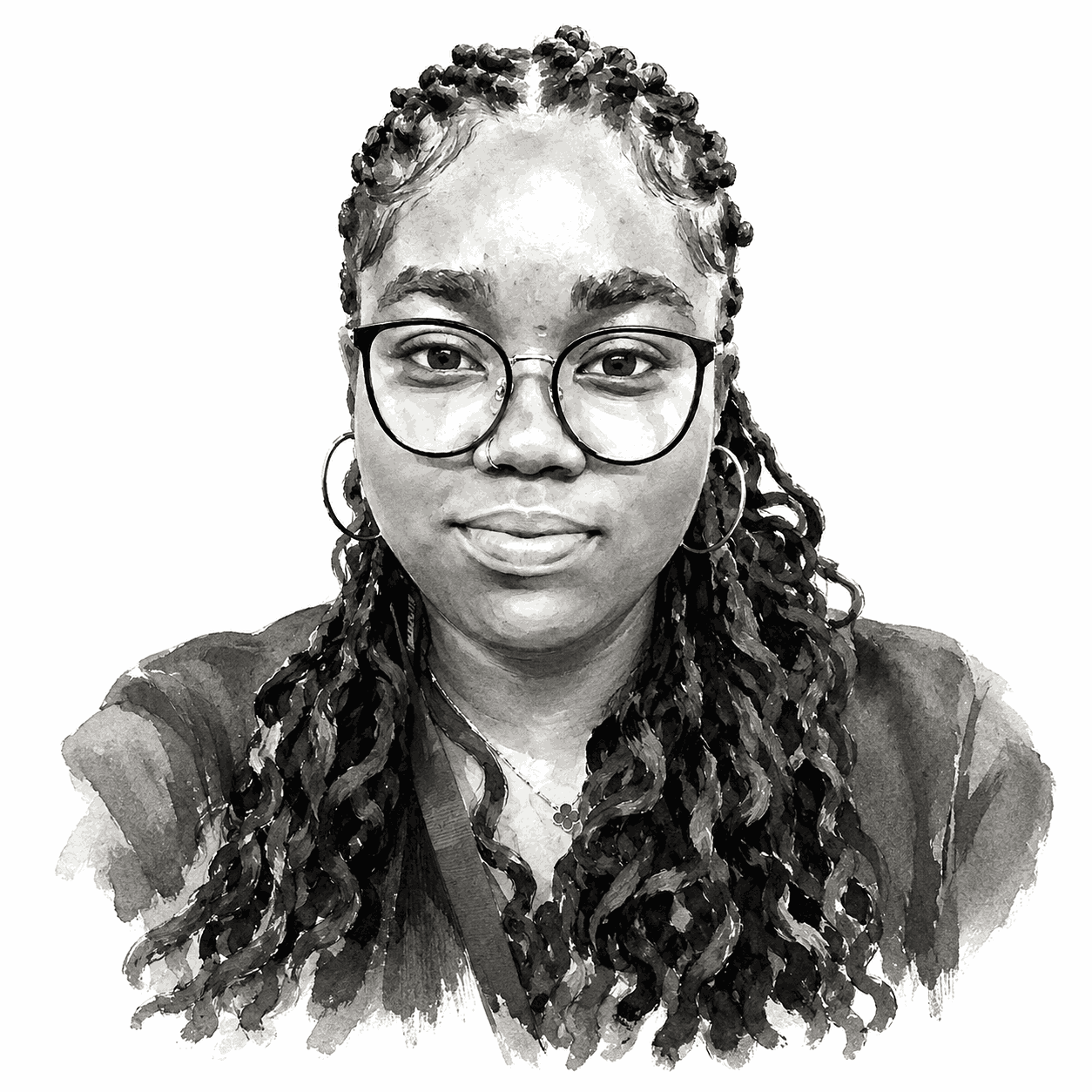
Taiwo Adeyomoye
BBP alumni