Four guides, one principle
In the past couple of weeks, we published four short social media guides: on tackling antisemitism, Islamophobia, anti-Palestinian racism and anti-Israeli racism. We designed the guides for internationals based on over 15 years of work in the UK and we hoped they would be useful. We did not expect quite how far they would travel.
The posts have now been viewed tens of thousands of times and have received thousands of likes. For a small peace education charity, that is a remarkable response. I want to thank everyone who read, shared and commented, including those who disagreed with us.
Filling a gap
Many of the comments said the same thing: these guides were genuinely useful, and there is very little like them out there. Teachers, parents, students and community members told us they had been looking for clear, practical language to recognise and challenge these forms of hate in relation to this issue.
That tells us something important. People want to do the right thing. What they often lack is the vocabulary and confidence to do it, especially when the conversation feels charged. Resources that name all four forms of prejudice side by side, and treat each with equal seriousness, are still rare. That gap is exactly what SNS exists to fill.
The harder conversation
Not every comment was supportive, and I think the critical ones deserve attention too. A large number showed that many people still see this as a zero-sum game. In that view, standing against hatred towards one community somehow means taking sides against another. Many comments also struggled to separate the decisions and actions of political leaders from the whole peoples or nations they lead. Anger at a government was turned into hostility towards every Israeli, every Palestinian, every Jew or every Muslim.
I understand where that anger comes from. The humanitarian consequences of some leaders' actions and decisions have been devastating, and grief and outrage are human responses. But no matter how terrible those consequences are, they never justify directing hatred at an entire group of people. Holding leaders to account, highlighting power imbalance, condemning the killing of civilians, and refusing to dehumanise whole groups of people are not in tension. They belong together.
Human values at the centre
This is why putting human values at the centre of our activism is so vital. Whatever cause we care about, and however strongly we feel, our advocacy must rest on four foundations:
Non-violence, in our actions and our words
Equality, recognising the equal dignity of every human being
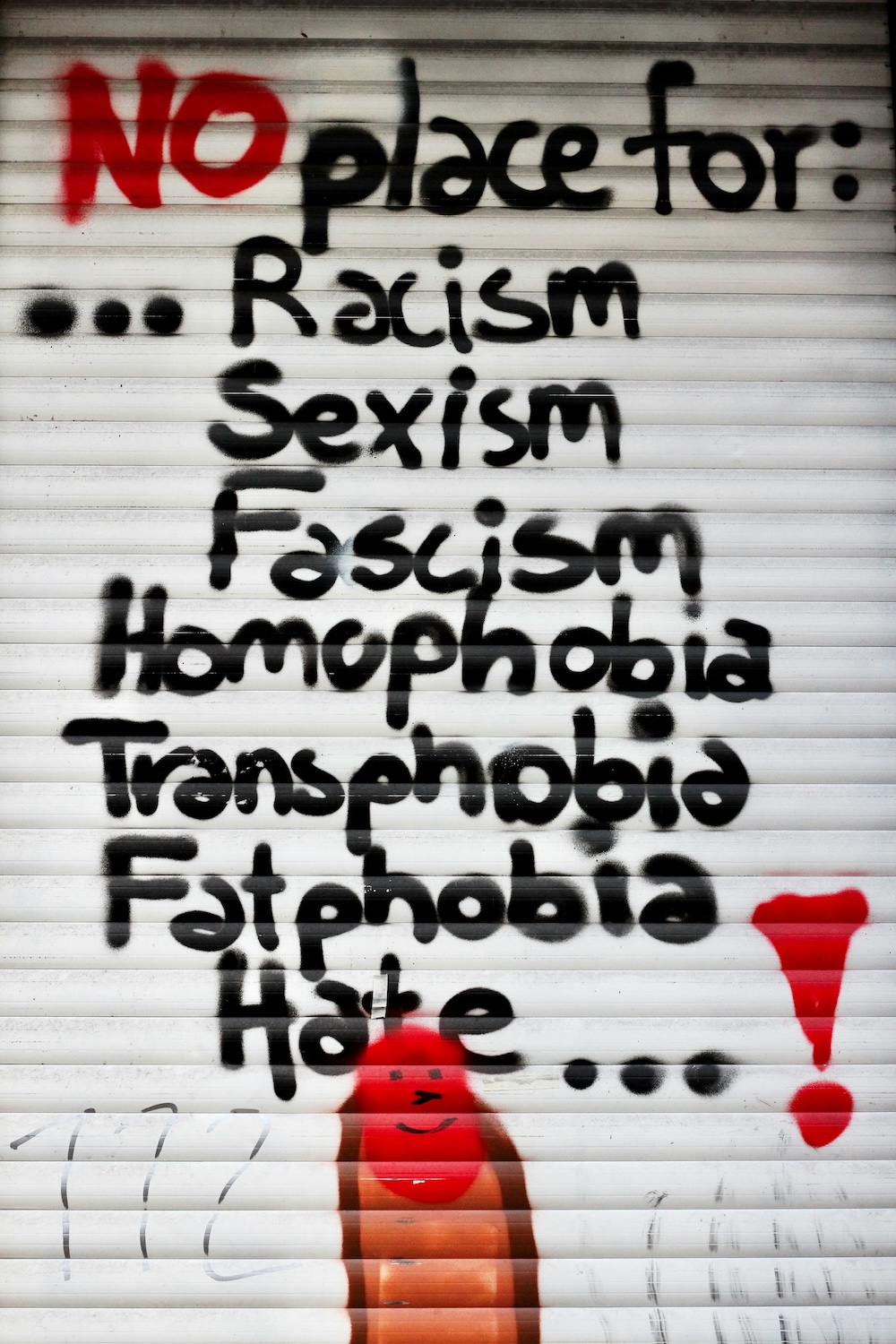
The rejection of hate, towards any people, faith or nation
Justice for all, not justice for some at the expense of others
These values make it possible to ask the hard questions honestly. When activism loses sight of them, it risks reproducing the very dehumanisation it set out to oppose.
Where we go from here
The response to these guides gives me real hope. Tens of thousands of people engaged with the idea that we can stand against antisemitism, Islamophobia, anti-Palestinian racism and anti-Israeli racism at the same time, and many found that genuinely helpful.
The comments that pushed back remind us how much work is still to be done. That work happens in classrooms, in communities and online, one conversation at a time.
If you found the guides useful, please share them with someone who might need them. And if you work in a school, get in touch to find out how our Empathy Leaders can bring these conversations into your classroom. Being pro-peace, pro-justice and anti-hate is choosing humanity.